Reader Dispatch - On crime novels that refuse the usual contract

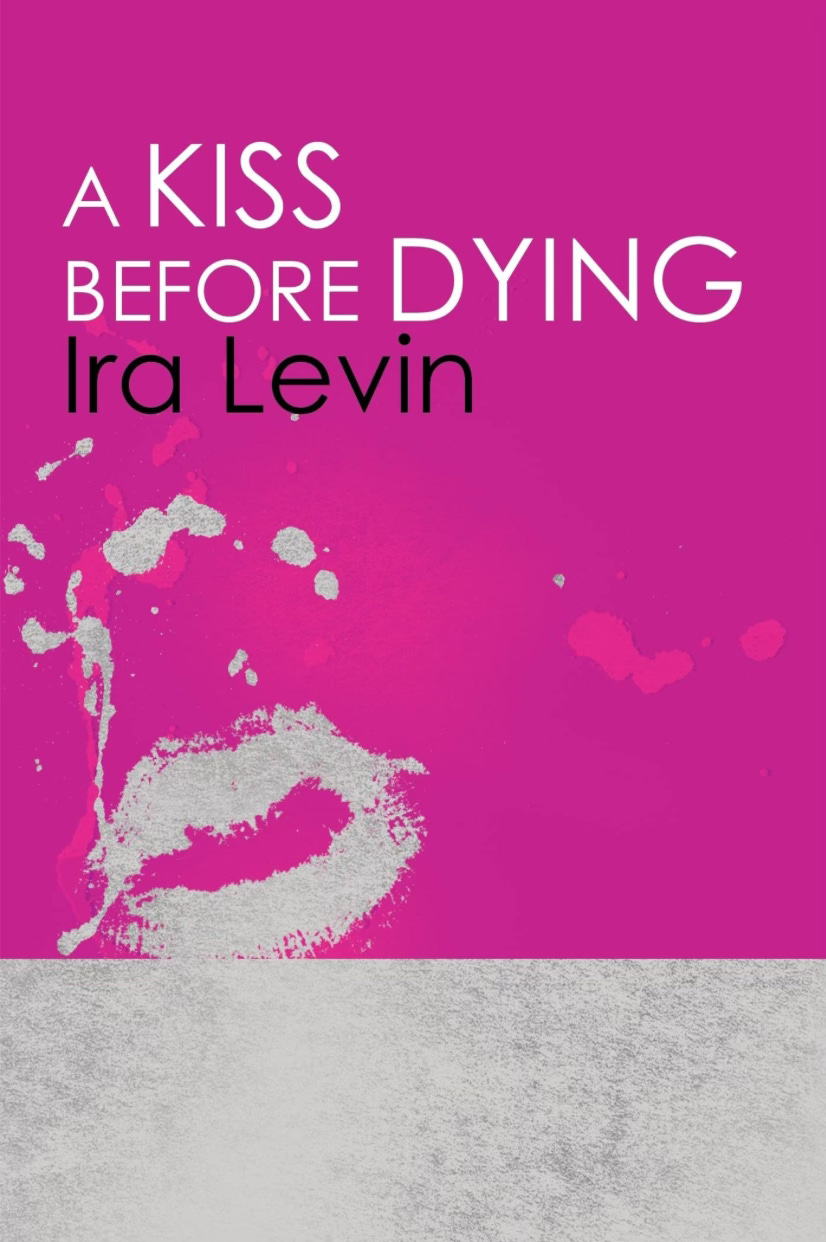
I finished Ira Levin’s A Kiss Before Dying this week.
It’s often described as a classic crime novel, but that label is misleading. Structurally, it hardly behaves like a crime novel at all, at least not a contemporary one..
There’s no central investigation driving the narrative. No gradual unveiling of a hidden culprit. Instead, the book makes an early, decisive structural choice. It shows us who is responsible, and then asks a different question altogether.
Not who did it? Or even why? Instead, how long can this continue?
That shift changes everything. Suspense comes from watching characters move closer to the truth without quite touching it. From seeing how social assumptions, politeness, and credibility act as shields.
As a reader, you’re not solving alongside a detective. You’re watching a system fail — slowly, plausibly, and with unnerving calm.
All of this made me wonder whether A Kiss Before Dying would be published now. That’s not nostalgia talking. It’s a genuine question about appetite and risk.
Have we become less tolerant of crime novels that don’t follow the rules? Or has the industry?
That’s the question I’m left with this week:
What crime novel broke the expected structure — and made you uneasy because of it?
Not a clever twist. A book that refused the rules.
Reply here — I’ll gather a few responses for Sunday’s micro-essay.
What’s Been Holding My Attention
Book
Kristin Hersh, Don’t Suck, Don’t Die: Giving Up Vic Chesnutt
Fragmentary, broken. A reminder that life’s narrative is usually anything but straightforward.
Listening
Geese - Getting Killed (2025)

A line I highlighted
“The job of the novelist is not to solve the problem, but to state the problem correctly.”
— Chekhov
From the Desk
This week, for paid subscribers:
• a Craft Lab examining the opening line of The Blind Assassin — how one sentence establishes time, consequence, and unease

Free for the diary. Paid for the blood.